
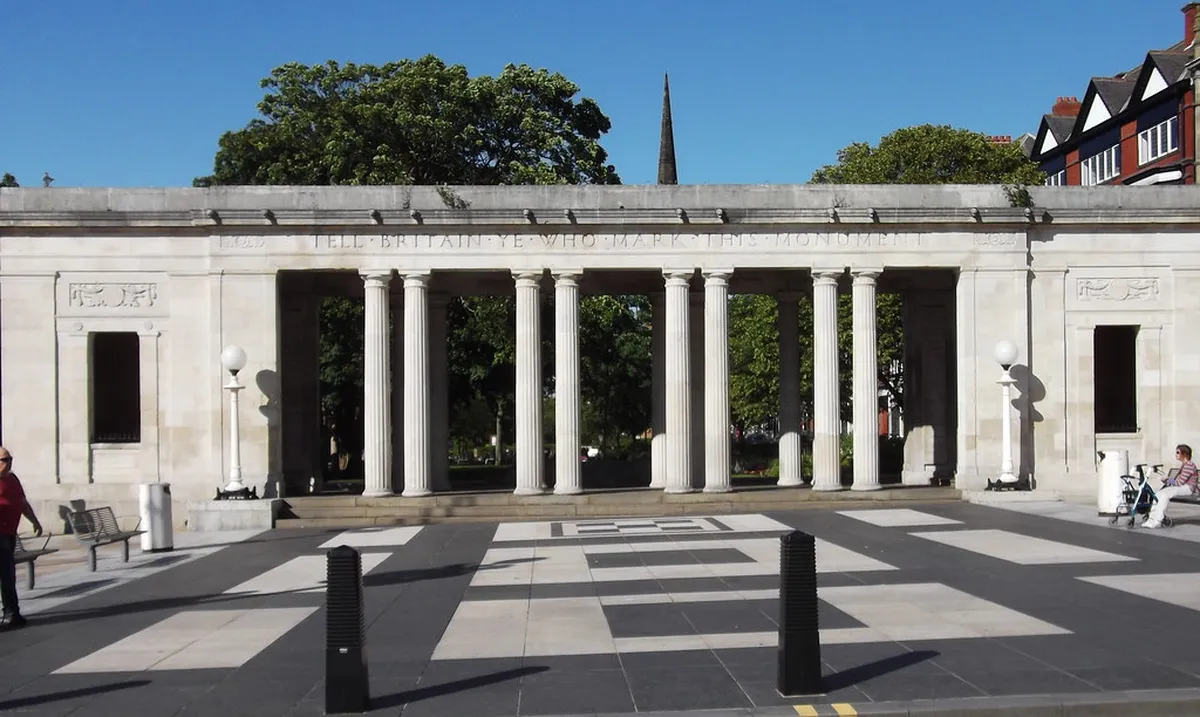
Exploring the History of the Park Colonnade Iron Structure
Karlovy Vary is famous for its healing waters and stunning architecture. The history of the Park Colonnade iron structure is a central part of this heritage. Built in 1880, this elegant walkway represents the peak of Neo-Renaissance design. It sits beautifully within the lush greenery of Dvořák Park. Visitors today come to admire the intricate metalwork and taste the mineral springs. This guide explores the structure's past and highlights what you must see during your trip.
The History of the Park Colonnade Iron Structure
The story of this landmark begins in the late 19th century. Famous Viennese architects Ferdinand Fellner and Hermann Helmer designed the building. They were the masters of spa architecture across Europe. The structure was originally part of a larger concert hall called the Blansko Pavilion. Most of that complex was demolished in the 1960s. Only the eastern wing remains today as the Park Colonnade.
The history of the Park Colonnade iron structure is tied to the Blansko ironworks. This foundry produced the delicate cast-iron components used in the construction. The use of iron allowed for thin, ornamental columns and flowing arches. This style was very modern for the 1880s. It provided a lightweight feel compared to heavy stone buildings. You can learn more about local landmarks in this famous landmarks in Karlovy Vary overview.
The colonnade underwent a major restoration in the early 2000s. Workers carefully preserved the original decorative elements. Today, it is part of the UNESCO World Heritage listing for the city. It remains one of the few surviving examples of large-scale cast-iron spa architecture. Walking through it feels like stepping back into the Golden Age of European spas.
10 Must-See Highlights at the Park Colonnade
The Park Colonnade is more than just a historical monument. It is a functional part of the city's spa life. Here are the top items to see when following our Park Colonnade Dvořák Park guide.
- Name: Snake Spring Type: Mineral Spring Why go: It is one of the most popular springs for locals. Best for: Health enthusiasts. Where: Inside the main colonnade area. Time: 10 minutes. Cost: Free. Getting there: Walk from the city center towards Dvořák Park. Tip: Bring a porcelain cup to taste the water at the Snake Spring.
- Name: Orchard Spring Type: Mineral Spring Why go: It has a high carbon dioxide content and a unique taste. Best for: Trying different mineral levels. Where: Located in the basement of the Military Spa Institution nearby. Time: 15 minutes. Cost: Free. Getting there: Access is through a side entrance near the colonnade. Tip: The water is cooler here than at other springs.
- Name: Neo-Renaissance Arches Type: Architectural Feature Why go: To see the intricate ironwork details from 1880. Best for: Photography. Where: Throughout the entire structure. Time: 20 minutes. Cost: Free. Getting there: Visible from anywhere in Dvořák Park. Tip: Look up at the ceiling to see the complex bolt patterns.
- Name: Dvořák Park Type: Nature/Park Why go: It offers a peaceful escape from the busy shopping streets. Best for: Relaxing. Where: Surrounding the Park Colonnade. Time: 45 minutes. Cost: Free. Getting there: Short walk from the Mill Colonnade. Tip: Visit in spring when the flower beds are in full bloom.
- Name: Antonín Dvořák Statue Type: Monument Why go: To honor the famous Czech composer who loved this city. Best for: History buffs. Where: The center of the park. Time: 5 minutes. Cost: Free. Getting there: Located 50 meters from the iron structure. Tip: Great spot for a quick photo with the colonnade in the background.
- Name: The Round Pavilions Type: Architectural Feature Why go: These circular ends of the colonnade are perfectly symmetrical. Best for: Architecture students. Where: Both ends of the iron structure. Time: 10 minutes. Cost: Free. Getting there: Part of the main walk. Tip: Stand in the center of the pavilion for interesting acoustics.
- Name: Military Spa Institution Type: Historic Building Why go: It is a massive, impressive building right next to the park. Best for: Seeing grand 19th-century architecture. Where: Adjacent to the Park Colonnade. Time: 10 minutes (exterior). Cost: Free to view. Getting there: Walk along the river towards the park. Tip: Check the official tourism site for interior tour availability.
- Name: Mill Colonnade Type: Day trip/Nearby sight Why go: It is the largest colonnade in the city and very close by. Best for: Seeing multiple springs in one go. Where: 300 meters south of Dvořák Park. Time: 30 minutes. Cost: Free. Getting there: Easy flat walk along the promenade. Tip: Compare the stone style of the Mill Colonnade to the iron style of the Park Colonnade.
- Name: Sadová Street Type: Neighborhood Why go: This street features beautiful villas and luxury hotels. Best for: A scenic walk. Where: Runs parallel to the park. Time: 20 minutes. Cost: Free. Getting there: Directly borders the park. Tip: Look for the Russian Orthodox Church further up the hill.
- Name: Hot Spring Colonnade Type: Experience Why go: To see the famous geyser that shoots water 12 meters high. Best for: Families and kids. Where: Central spa area. Time: 20 minutes. Cost: Free. Getting there: 10-minute walk from Park Colonnade. Tip: Visit the Hot Spring Colonnade underground for a unique tour.
Planning Your Visit to the Park Colonnade
Visiting the colonnade is easy and free. Most people arrive by foot from the main pedestrian zone. If you are coming from the Karlovy Vary railway station, you can take a local bus. The public transport authority runs frequent services to the spa center. Buses number 1 and 4 are the most useful for tourists.
The best time to visit is early morning. The light hits the ironwork beautifully before 9:00 AM. You will also avoid the large tour groups that arrive later. In 2026, expect the park to be busy during the Film Festival in July. If you prefer quiet, choose a visit in late spring or early autumn. The weather is mild and the park colors are vibrant.
Remember that the mineral water is quite strong. It is meant for sipping, not gulping. Local doctors suggest drinking only small amounts at a time. Always use the special porcelain cups sold at nearby stalls. They have a spout that helps protect your tooth enamel from the minerals. This is a key part of the local spa etiquette.
Frequently Asked Questions
Who built the Park Colonnade in Karlovy Vary?
The Park Colonnade was built by the famous architects Fellner and Helmer in 1880. They used cast-iron components from the Blansko ironworks. This duo was responsible for many iconic buildings across the Austro-Hungarian Empire, including theaters and spa pavilions.
Is there a fee to enter the Park Colonnade?
No, there is no fee to enter the Park Colonnade or Dvořák Park. It is a public space open 24 hours a day. You can walk through the iron structure and drink from the mineral springs for free at any time.
Which springs are located inside the Park Colonnade?
The Snake Spring (Hadí pramen) is located directly inside the Park Colonnade. The Orchard Spring (Sadový pramen) is also very close, accessible through the adjacent Military Spa Institution. Both offer unique mineral compositions and are free to the public.
The history of the Park Colonnade iron structure reflects the elegance of old-world Karlovy Vary. From its 1880 origins to its current status as a UNESCO treasure, it is a must-see landmark. Whether you are tasting the Snake Spring or admiring the iron arches, the experience is unforgettable. For more details on planning your route, check out our full Park Colonnade Dvořák Park guide. Enjoy your journey through Czech history!
Official resources
Use these sources for official schedules, tickets, routes, and updates.
- Karlovy Vary Official Tourism — unverified: Official DMO site.
- Statutory City of Karlovy Vary — unverified: Official municipal portal.
- Visit Czechia — unverified: National tourism board.
- UNESCO World Heritage Centre — unverified: Official UNESCO listing for the city.
- Lonely Planet Karlovy Vary — unverified: Tier 3 editorial requirement.