
Explore Top Historical Places in Prague
Prague feels like a living museum under the open sky. The city preserves centuries of architecture and stories in its street layout. Every cobblestone seems to whisper legends from the past. You simply cannot miss the amazing historical places in Prague.
Visitors flock here to see Gothic spires and Baroque domes. The city center is compact and perfect for walking. You can easily cover centuries of history in a few days. We will guide you through the most significant landmarks in 2026.
Key Takeaways
- Visit Charles Bridge at sunrise to avoid heavy crowds.
- Buy a circuit ticket for Prague Castle to see St. Vitus Cathedral.
- Explore the Jewish Quarter for deep historical context.
- Escape to Vyšehrad for great views and fewer tourists.
- Climb the towers for the best panoramic photos.
Majestic Prague Castle Complex
Prague Castle dominates the city skyline from its hill. It holds the title of the largest coherent castle complex in the world. Kings, emperors, and presidents have ruled from here for over a thousand years. The grounds are open to the public from early morning until late evening.
The centerpiece of the complex is the stunning St. Vitus Cathedral. Its Gothic spires are visible from almost anywhere in the city. Construction took nearly 600 years to fully complete. You can learn more about St. Vitus Cathedral architecture before you visit.
Visitors should buy a circuit ticket to see the interiors. This ticket includes the Old Royal Palace and St. George's Basilica. You also get access to the charming Golden Lane. This tiny street features colorful houses built into the castle walls.
Do not miss the changing of the guard ceremony at noon. It happens in the first courtyard with great fanfare. Arrive twenty minutes early to get a good viewing spot. The castle gardens also offer spectacular views over the red rooftops below. For official updates, check the Prague Castle website.
The complex is more than just government buildings and churches. It represents the heart of Czech history and national identity. You can easily spend half a day exploring every corner. Wear comfortable shoes for the cobblestones and the uphill walk. Learn about Prague Castle history and tickets to save time.
Icons of the Old Town
The Old Town Square serves as the vibrant heart of Prague. Merchants have traded goods here since the 10th century. Today, it remains a gathering place for locals and tourists alike. The architecture surrounding the square is simply breathtaking.
The main attraction here is the famous Astronomical Clock. It is mounted on the southern wall of the Old Town Hall. Crowds gather every hour to watch the mechanical show. Twelve wooden apostles appear in the windows as the skeleton rings a bell. For the best experience, visit the Old Town Hall and Astronomical Clock early.
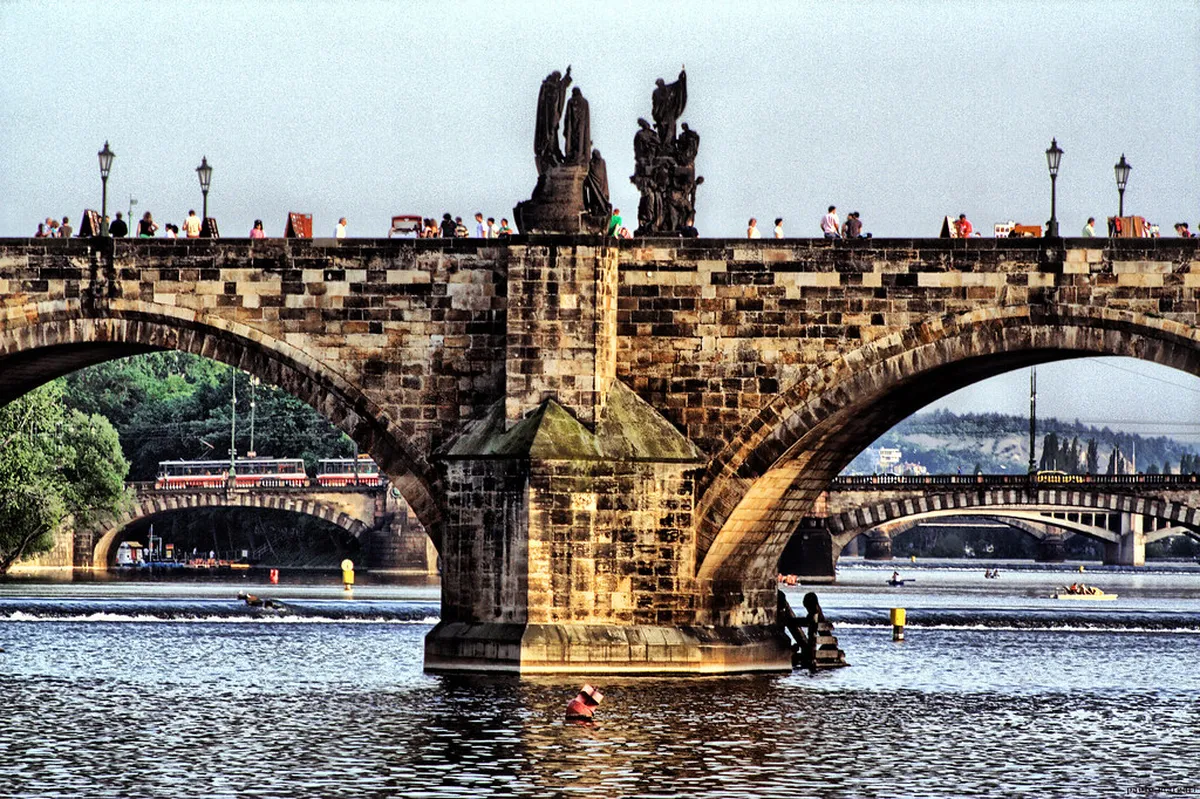
A short walk away lies the iconic Charles Bridge. King Charles IV commissioned this stone bridge in the year 1357. It connects the Old Town with the Lesser Town district. Thirty baroque statues line the balustrades of this pedestrian masterpiece.
Sunrise is the most magical time to cross the river. You will avoid the heavy crowds that appear by mid-morning. The fog often rises from the Vltava River creating a mystical atmosphere. Photographers from around the world cherish this specific time of day.
The bridge towers on either end are open to the public. Climbing them offers a unique perspective of the statues below. You can see the Charles Bridge statues and towers from a bird's eye view. It is a workout, but the photos are worth the effort.
The Sacred Jewish Quarter
Josefov is the historic Jewish Quarter located between the Old Town and the river. It contains some of the best-preserved Jewish monuments in Europe. The area survived centuries of hardship and rebuilding. Its history is both tragic and inspiring.
The Old Jewish Cemetery is a hauntingly beautiful site. Space was limited, so graves were layered on top of each other. Today, thousands of tombstones tilt at odd angles under old trees. It is a silent reminder of the community's long presence here.
Several synagogues remain active or serve as museums today. The Old-New Synagogue is the oldest active synagogue in Europe. Legends say the Golem of Prague rests in its attic. This clay giant was said to protect the Jewish people.
A combined ticket grants entry to the Jewish Museum sites. This includes the Spanish Synagogue with its stunning Moorish interior. You can also visit the Pinkas Synagogue memorial. Read about the Jewish Quarter synagogues in Prague to plan your route.
This district offers a different atmosphere than the rest of Prague. The streets are elegant and lined with luxury shops. However, the spiritual heritage remains the primary draw for visitors. It is a place for reflection and learning.
Hidden Gems and Fortresses
Many tourists miss the historic fortress of Vyšehrad. It sits on a rock overlooking the river south of the center. Legend says this was the first seat of Czech princes. It offers peace and quiet away from the tourist rush.
The views from the ramparts are arguably the best in the city. You can see all the bridges spanning the Vltava River. The neo-Gothic church towers are visible from miles away. Discover more about Vyšehrad fortress hidden gems before you go.
Another quiet spot is the magnificent Wallenstein Garden. It is located in the Lesser Town below the castle. This early Baroque garden features geometric hedges and trickling fountains. Peacocks roam freely among the statues and visitors.
The garden features a massive artificial dripstone wall. It looks mysterious and contains hidden faces in the stone. The adjacent palace serves as the seat of the Czech Senate. You can explore the Wallenstein Palace and Garden for free on weekends.
These locations provide a break from the busy city center. They allow you to enjoy history at a slower pace. Bring a book or a picnic to enjoy the atmosphere. You will feel like a local resident rather than a tourist.
Underground and Medieval Defense
Prague hides an entire world beneath its cobblestone streets. The street level of the Old Town was much lower in medieval times. Frequent flooding forced the city to raise the ground level by several meters. The original ground floors became basements and cellars.
You can take tours to explore these underground chambers. They often date back to the 12th or 13th centuries. Some served as dungeons, while others were storage rooms or hideouts. Explore the options for Prague underground historical tours for a spooky experience.
Above ground, the city was protected by massive fortifications. The Powder Tower is one of the original city gates. It separates the Old Town from the New Town. It gained its name by storing gunpowder in the 17th century.
Visitors can climb the spiral stairs to the viewing gallery. The tower marks the start of the Royal Route to the castle. It offers a direct line of sight down the busy streets. You can check the Prague.eu website for current entry prices.
The dark stone of the tower contrasts with nearby Art Nouveau buildings. It stands as a powerful reminder of the walled medieval city. Combining a tower climb with an underground tour creates a perfect contrast. You see the city from its depths to its heights.
Frequently Asked Questions
What is the oldest historical place in Prague?
Prague Castle relates to the 9th century, making it the oldest major landmark. However, the Rotunda of St. Martin at Vyšehrad dates back to the 11th century. The Old-New Synagogue is Europe's oldest active synagogue, built in 1270.
How much time do I need to see historical places in Prague?
You should plan for at least three full days. This allows time for the Castle, Old Town, and Jewish Quarter. If you want to visit Powder Tower history and climb, add another half day.
Are the historical sites close to each other?
Yes, the historic center is very walkable and compact. You can walk from Old Town Square to Charles Bridge in ten minutes. The walk up to the castle takes a bit longer and requires some effort.
Is the Prague underground tour worth it?
Yes, it offers a unique perspective on medieval life. You see Romanesque rooms that have been hidden for centuries. It provides a cool escape from the summer heat or winter cold. It is great for history lovers.
Which historical sites are free to visit?
You can walk across Charles Bridge and through the Castle grounds for free. Vyšehrad fortress grounds and Wallenstein Garden are also free. Entering interiors like museums or towers usually requires a ticket. View the UNESCO World Heritage Centre list for more details.
Prague offers an endless journey through time for every traveler. The blend of architectural styles creates a unique atmosphere you will not find elsewhere. Walking these streets connects you to the kings and merchants of the past. Start planning your trip to these historical places in Prague today. Do not forget to book your Strahov Monastery library tickets in advance.
Official resources
Use these sources for official schedules, tickets, routes, and updates.
- Prague.eu — Official city tourism portal; unverified.
- Praha.eu — Official municipal government portal; unverified.
- Visit Czechia — National tourism board; unverified.
- UNESCO World Heritage Centre — Official UNESCO heritage listing; unverified.
- Prague Castle — Official landmark domain; unverified.
- National Museum — Major national museum; unverified.
- National Gallery Prague — Major art museum; unverified.