
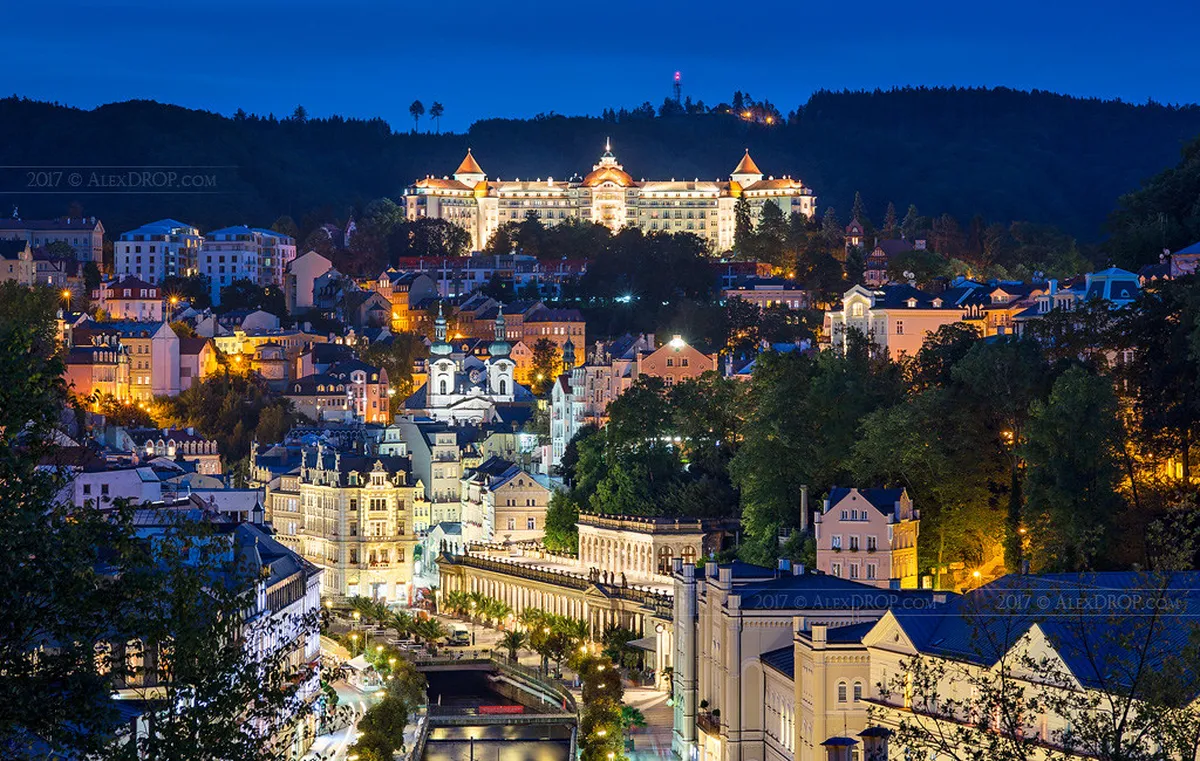
Exploring the Best Historical Places in Karlovy Vary
Karlovy Vary is a jewel of the Czech Republic. King Charles IV founded this legendary spa town in the 14th century. The city is famous for its healing thermal springs. We will explore the most fascinating historical places in Karlovy Vary.
The town's architecture reflects centuries of wealth and artistic growth. Majestic colonnades line the Teplá River valley. Visitors in 2026 can still experience the grandeur of the Golden Age. You will find history around every corner of the city.
Understanding the local history enriches every sip of mineral water. Legends say the King discovered the springs while hunting deer. Today, travelers follow in the footsteps of royalty and artists. Let's begin our journey through this UNESCO World Heritage site.
Key Takeaways
- Visit the Mill and Market Colonnades early to avoid crowds.
- Don't miss the view from the Diana Observation Tower.
- Taste the local spring water using a traditional cup.
Iconic Colonnades of the Spa Town
The colonnades act as the social heart of Karlovy Vary. These structures protect the thermal springs from the elements. Patients have walked these halls for centuries while sipping water. The architecture ranges from intricate wood to grand stone columns.
The Mill Colonnade is the largest and most famous structure. Josef Zítek designed this Neo-Renaissance masterpiece in the late 19th century. It features 124 Corinthian columns and five different mineral springs. You can learn more about the Mill Colonnade history during your walk.
Twelve statues adorn the roof terrace of this grand hall. They represent the twelve months of the year. The orchestra space often hosts free concerts for visitors. The acoustics here transform simple music into a magical experience.
Another gem is the intricate Market Colonnade nearby. Unlike the stone Mill Colonnade, this structure is made of carved wood. Swiss style influenced its delicate white lace-like design. It covers the Charles IV Spring, the city's oldest source.
Legend states the King healed his injured legs at this very spot. A relief carving above the spring depicts this famous legend. The Market Colonnade architecture stands out beautifully against the dark cliffs. It serves as a perfect example of 19th-century temporary construction surviving centuries.
Do not miss the modern Hot Spring Colonnade nearby. It houses the Vřídlo geyser, which shoots water 12 meters high. This is the hottest and most powerful spring in town. You can also explore the underground tunnels beneath the geyser floor.
Sacred Architecture and Churches
Religion played a significant role in the daily life of spa visitors. The city boasts magnificent churches serving different denominations. These sacred spaces offer peace away from the bustling promenades. Their spires punctuate the green skyline of the valley.
The Church of St. Mary Magdalene dominates the spa center. It is a masterpiece of High Baroque architecture. Kilian Ignaz Dientzenhofer designed this stunning building in the 1730s. Visitors can explore the St. Mary Magdalene church crypt on special tours.
The interior features a valuable altar and dramatic sculptures. The church sits atop a thermal spring vent. This unique location caused structural issues over the centuries. Renovations have secured the foundation for future generations.
In the Westend district, you will find the Orthodox Church of St. Peter and Paul. This building mimics the style of old Russian churches. Wealthy Russian aristocracy funded its construction in the late 19th century. Its golden domes shine brightly against the surrounding forest.
The interior creates a mystical atmosphere for all who enter. Intricate icons and reliefs decorate the walls. A relief of Tsar Peter the Great adorns the exterior. You can visit the Orthodox Church of St. Peter and Paul daily.
Anglican St. Luke's Church is another neogothic treasure. It sits on Castle Hill overlooking the town. The red brick facade contrasts with the lush greenery. It currently houses a wax museum, adding a modern twist.
Historic Towers and Viewpoints
Karlovy Vary sits in a deep, forested valley. Historic lookout towers on the surrounding hills offer breathtaking views. Builders constructed these towers during the prime of the spa industry. Walking to them is part of the traditional spa treatment.
The Diana Observation Tower is the most popular viewpoint. It stands 547 meters above sea level. Emperor Franz Joseph I visited this tower upon its opening. You can find detailed Diana Observation Tower history at the base.
A funicular railway takes visitors up the steep hill. The ride takes just a few minutes from the Grandhotel Pupp. Adventurous travelers can hike the forest trails instead. The view from the top extends for nearly 70 kilometers.
Another key site is the Castle Tower near the market. It is the only remnant of the original Gothic castle. Charles IV built the original structure in the 14th century. Today, it houses a stylish restaurant and UNESCO exhibition.
Goethe’s Lookout offers a different perspective of the region. It is a stunning example of Neo-Gothic architecture. The tower honors the famous German poet who loved this city. The walk there is peaceful and lined with tall trees.
Magnificent Spa Buildings and Hotels
Social life in Karlovy Vary revolved around grand hotels and bathhouses. These buildings define the opulent look of the city. They hosted kings, emperors, and movie stars. The architecture blends Art Nouveau with Historicism.
The Imperial Spa (Císařské lázně) is a national landmark. Architects Fellner and Helmer designed this monumental building. It opened in 1895 as the most modern spa house. Recently, the Imperial Spa visit experience has been completely revitalized.
The Emperor's Bathroom is the highlight of the tour. It features incredible luxury and preserved historical details. The Zander Hall formerly served as a gym for Swedish gymnastics. Today, it hosts concerts and cultural events.
Grandhotel Pupp stands as the symbol of Karlovy Vary hospitality. Its history dates back to the early 18th century. The hotel expanded over hundreds of years into a massive complex. It serves as the main venue for the International Film Festival.
The Festive Hall allows you to step back in time. Crystal chandeliers and stucco decorations create a regal atmosphere. Many famous movies used this hotel as a filming location. Staying here feels like living in a history book.
Industrial Heritage and Museums
The town is not just about water and architecture. Unique local industries gained worldwide fame over the centuries. Glassmaking and herbal liqueur production are key parts of local heritage. Museums dedicated to these crafts are must-visit spots.
Moser Glassworks has produced crystal for royalty since 1857. Their glass is often called the "Glass of Kings." The factory refuses to use lead in their crystal production. A tour of the Moser Glassworks museum reveals their secrets.
Visitors can watch master glassblowers at work near the furnaces. The heat and skill involved are truly mesmerizing. The museum displays historical pieces from various eras. You can buy exquisite souvenirs at the factory shop.
Becherovka is the famous herbal liqueur of the region. Locals jokingly call it the "thirteenth healing spring." Josef Becher invented the recipe in the city center. The exact mix of herbs remains a closely guarded secret.
The Jan Becher Museum is located in the original factory. You can smell the herbs and spices during the tour. The cellars still hold the original oak maturation barrels. Tasting the liqueur is a highlight of the visit.
Planning Your Historical Tour in 2026
Visiting Karlovy Vary requires a little planning for the best experience. The town center is largely a pedestrian zone. Wear comfortable shoes for walking on cobblestones. The distances between historical sites are generally short.
Most historical buildings are open year-round. However, opening hours may change during the winter season. Check the Karlovy Vary Official Tourism site before you go. Summer offers the best weather for exploring outdoor viewpoints.
Public transport is efficient for reaching outlying sites. The local bus system connects the center with the glassworks. You can find schedules on the Dopravní podnik Karlovy Vary website. Taxis are also readily available near the colonnades.
Consider buying a Karlovy Vary Region Card. It offers free entry to many museums mentioned here. It also includes transport on the funicular. This saves money if you plan to visit multiple sites.
Crowds are smaller in the early morning. Visit the Mill Colonnade before 9 AM for photos. The light is soft and the atmosphere is quiet. This allows for a deeper connection with the history.
Frequently Asked Questions
What is the oldest building in Karlovy Vary?
The Castle Tower is the oldest surviving structure in the city. It dates back to the 14th century reign of Charles IV. It is all that remains of the original gothic castle. Learn more about the Castle Tower history before visiting.
Can I drink water from the historical colonnades?
Yes, you can drink from most springs within the colonnades. You should use a traditional porcelain spa cup for drinking. The water varies in temperature and mineral content. Consult a doctor before drinking large quantities.
Are the historical places open in winter?
Most major historical sites remain open throughout the winter. The colonnades are accessible all year round for free. Museums typically have shorter operating hours in winter. The snow adds a magical atmosphere to the architecture.
Is there an entrance fee for the colonnades?
No, entering the main colonnades is completely free. You can walk through the Mill and Market Colonnades anytime. The Hot Spring Colonnade is also open to the public daily. It is a very budget-friendly historical experience.
Karlovy Vary offers an incredible journey through European history. From imperial baths to sacred churches, the city captivates everyone. The blend of nature and architecture is truly unique. Start planning your trip to the Mill Colonnade today.
Official resources
Use these sources for official schedules, tickets, routes, and updates.
- Karlovy Vary Official Tourism — unverified: Official DMO site.
- Statutory City of Karlovy Vary — unverified: Official municipal portal.
- Visit Czechia — unverified: National tourism board.
- UNESCO World Heritage Centre — unverified: Official UNESCO listing for the city.
- Lonely Planet Karlovy Vary — unverified: Tier 3 editorial requirement.
- Karlovy Vary Airport — unverified: Official airport authority.
- Dopravní podnik Karlovy Vary — unverified: Public transport authority.