
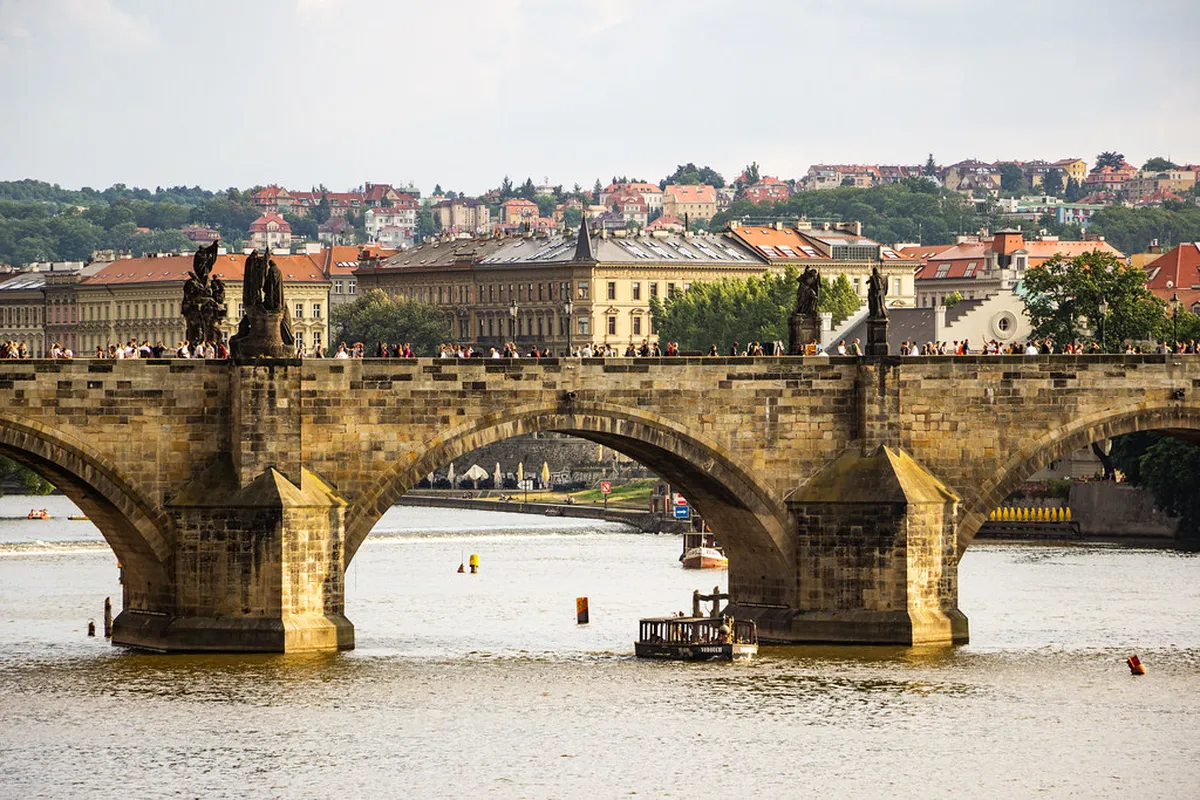
Understanding the Meaning of Statues on Charles Bridge Prague
Charles Bridge is the most iconic landmark in the Czech Republic. It connects the Old Town with the Lesser Town across the Vltava River. Walking across it feels like stepping into an open-air museum. Understanding the meaning of statues on Charles Bridge Prague adds depth to your visit. These thirty baroque figures tell stories of faith, sacrifice, and local legends. Most were added between 1683 and 1714. Today, they stand as silent guardians of the city's rich history.
The History and Symbolism of the Bridge
King Charles IV began construction of the bridge in 1357. It replaced the older Judith Bridge which was destroyed by a flood. For centuries, it was the only way to cross the river in Prague. This made it a vital link for trade and royal processions. The bridge is recognized as a UNESCO World Heritage site for its cultural value.
The statues were not part of the original medieval design. They were added later during the Counter-Reformation period. The Catholic Church wanted to inspire the public through religious art. Most of the statues you see today are high-quality replicas. The originals are kept in the National Museum to protect them from weather. You can learn more about this in our guide to Charles Bridge history and statues.
Decoding the Meaning of Statues on Charles Bridge Prague
Each statue on the bridge has a unique story and purpose. Some represent national patrons, while others honor famous martyrs. Here are 12 essential sights to see while crossing the bridge. These include the most famous figures and a few nearby gems.
- Best overall: St. John of Nepomuk
- Best for families: St. Anne
- Best for history: Calvary Cross
- Best free activity: Walking the entire bridge
- Name: Statue of St. John of Nepomuk Type: sight Why go: This is the oldest and most famous statue on the bridge. It honors a priest who was thrown into the river for refusing to reveal the Queen's secrets. Best for: History lovers and luck seekers. Where: Middle of the bridge, north side. Time: 5-10 minutes. Cost: Free. Getting there: Walk 10 minutes from Old Town Square. Tip: Rub the bronze plaque at the base for good luck and a return to Prague.
- Name: Calvary Cross and Holy Rood Type: sight Why go: This is the most prominent monument on the bridge. The gold-leaf Hebrew inscription was added as a punishment for a local merchant in 1696. Best for: Religious history. Where: Near the Old Town side. Time: 5 minutes. Cost: Free. Getting there: Walk from the Old Town Bridge Tower. Tip: Look for the Hebrew letters which mean "Holy, Holy, Holy is the Lord of Hosts."
- Name: Statue of St. Luthgard Type: experience Why go: Many experts consider this the most beautiful statue on the bridge. It shows the saint having a vision of Christ. Best for: Art enthusiasts. Where: Lesser Town side of the bridge. Time: 5 minutes. Cost: Free. Getting there: Walk from Malostranská metro station. Tip: Notice the intricate details carved by the famous artist Matthias Braun.
- Name: Statue of St. Francis Xavier Type: sight Why go: This statue honors a famous Jesuit missionary. It includes figures from Asia and Africa, showing the global reach of the church. Best for: Cultural history. Where: South side of the bridge. Time: 5 minutes. Cost: Free. Getting there: Easily accessible from the Lesser Town entrance. Tip: Look for the figure of the artist himself among the statues.
- Name: Statues of St. Cyril and Methodius Type: sight Why go: These brothers brought Christianity and the first alphabet to the Slavic people. The statue is a 20th-century addition. Best for: Slavic history. Where: Near the Lesser Town side. Time: 5 minutes. Cost: Free. Getting there: Walk across the bridge from the Old Town. Tip: This is the only statue on the bridge paid for by the Ministry of Education.
- Name: Statue of St. Vitus Type: sight Why go: St. Vitus is the patron saint of the Czech Republic and the cathedral at the castle. He is often shown with lions. Best for: Local lore. Where: Middle of the bridge. Time: 5 minutes. Cost: Free. Getting there: Part of a standard bridge walk. Tip: Compare this to the architecture of the cathedral visible on the hill.
- Name: Statue of St. Anne Type: sight Why go: St. Anne is the mother of the Virgin Mary. This statue is popular with families and those praying for children. Best for: Families. Where: North side, near the Old Town. Time: 5 minutes. Cost: Free. Getting there: Walk from the Old Town Bridge Tower. Tip: The statue depicts Anne holding the infant Jesus and the young Mary.
- Name: Statue of St. Anthony of Padua Type: sight Why go: St. Anthony is known as the finder of lost things. It is a classic Baroque piece showing the saint with the Christ child. Best for: Classic art fans. Where: North side of the bridge. Time: 5 minutes. Cost: Free. Getting there: Located near the middle of the bridge. Tip: Check the official Prague tourism portal for seasonal events on the bridge.
- Name: Statue of St. Adalbert Type: sight Why go: Adalbert was the first Czech-born bishop of Prague. He is a significant figure in early Central European history. Best for: National history. Where: South side, near the Lesser Town. Time: 5 minutes. Cost: Free. Getting there: Walk from the Lesser Town Bridge Tower. Tip: Look for the bishop's staff and the symbols of his martyrdom.
- Name: Statue of St. Ivo Type: sight Why go: St. Ivo is the patron saint of lawyers. The statue shows him helping the poor and widows. Best for: Law students and professionals. Where: Near the Old Town entrance. Time: 5 minutes. Cost: Free. Getting there: First statue on the right when coming from Old Town. Tip: This is a replica of an original by Matthias Braun.
- Name: Statue of St. Wenceslas Type: sight Why go: Wenceslas is the "Good King" from the famous Christmas carol. He is the main patron saint of the Czech lands. Best for: General sightseeing. Where: Near the Lesser Town end. Time: 5 minutes. Cost: Free. Getting there: Walk from the Lesser Town square. Tip: This statue was added much later in 1858 to commemorate the bridge's anniversary.
- Name: Kampa Island Type: day trip Why go: This island is located right under the bridge. It offers a peaceful escape and a great view of the bridge statues from below. Best for: Relaxation and photos. Where: Directly under the Lesser Town side of the bridge. Time: 1-2 hours. Cost: Free to walk. Getting there: Take the stairs down from the bridge near the Lesser Town end. Tip: Visit the Kampa Museum for modern art after seeing the bridge.
Planning Your Visit to the Statue Gallery
To truly enjoy the bridge, you must plan your timing. It is one of the most visited famous landmarks in Prague. During the day, it is packed with tourists and street performers. For the best experience, visit at sunrise or late at night. The lighting at dawn is perfect for capturing the meaning of statues on Charles Bridge Prague.
If you want a higher perspective, consider climbing the Charles Bridge towers for views. Both the Old Town and Lesser Town towers are open to the public. They offer a stunning look down at the rows of statues. For photography enthusiasts, we have a guide on the best time to walk across Charles Bridge for photos. This will help you avoid the crowds and find the best angles.
Frequently Asked Questions
What is the meaning of the statues on Charles Bridge Prague?
The statues on Charles Bridge primarily represent Catholic saints and religious figures. They were installed to promote the Catholic faith during the 17th and 18th centuries. Each figure tells a story of martyrdom, miracles, or national pride, serving as a public gallery of religious devotion.
Who is the most famous saint on Charles Bridge?
St. John of Nepomuk is the most famous saint on the bridge. He was a 14th-century priest martyred by being thrown into the Vltava River. Visitors rub the bronze plaques at the base of his statue for good luck and a promised return to the city.
Are the statues on Charles Bridge originals?
Most statues currently on the bridge are high-quality replicas made of sandstone. The original Baroque sculptures were moved to the Lapidarium of the National Museum to prevent erosion. This ensures the historical artwork is preserved while the bridge remains an accessible public monument.
The statues on Charles Bridge are more than just stone figures. They are a window into the soul of Prague's history and faith. By understanding the meaning of statues on Charles Bridge Prague, you can connect with the city's past. Whether you are looking for luck or art, the bridge offers something for everyone. Make sure to visit early to enjoy the peace of this historic gallery. For more planning tips, check our guide on famous landmarks in Prague today.
Official resources
Use these sources for official schedules, tickets, routes, and updates.
- Prague.eu — Official city tourism portal; unverified.
- Praha.eu — Official municipal government portal; unverified.
- Visit Czechia — National tourism board; unverified.
- UNESCO World Heritage Centre — Official UNESCO heritage listing; unverified.
- Prague Castle — Official landmark domain; unverified.
- National Museum — Major national museum; unverified.