
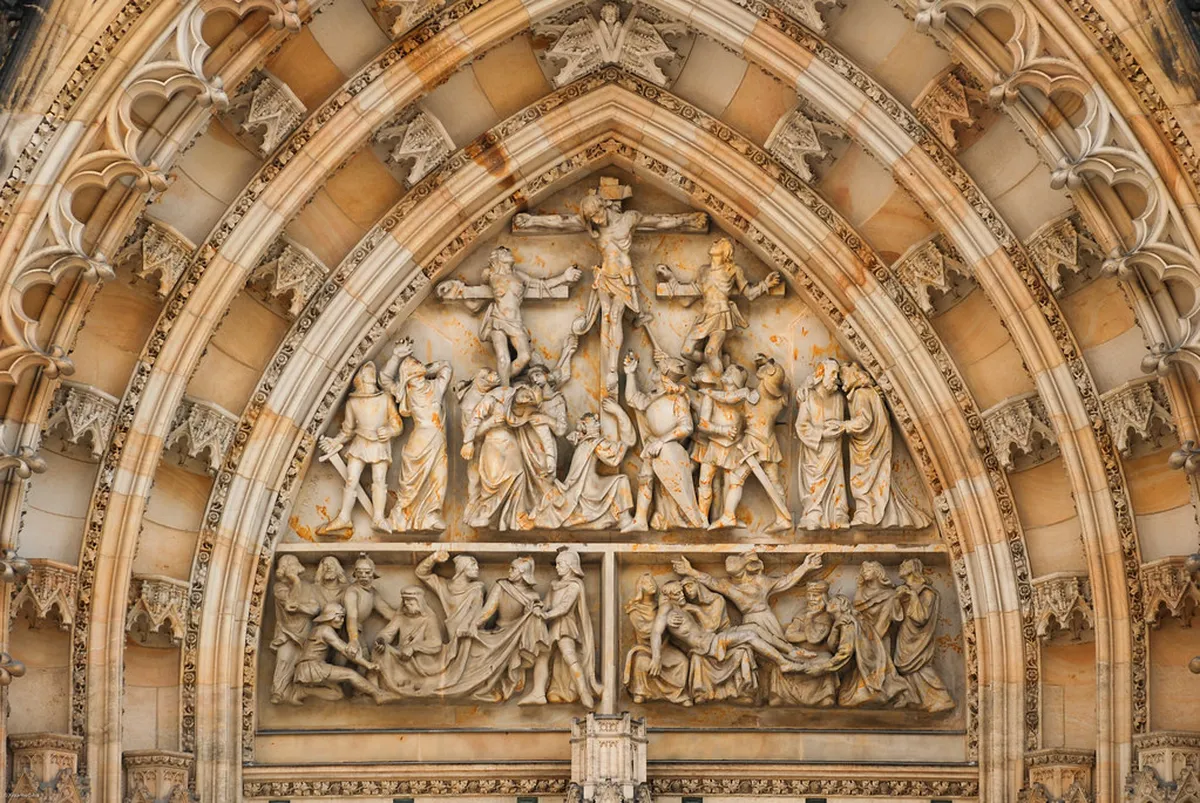
Exploring the Church of St. Vitus Historical Significance
The Church of St. Vitus is a striking landmark in Český Krumlov. It stands tall on a rocky promontory above the Vltava River. Many visitors come for the views. However, the Church of St. Vitus historical significance is what truly defines this site. It served as the spiritual center for the town's most powerful families. This church represents centuries of religious and political shifts in South Bohemia. It is a key part of the UNESCO World Heritage landscape. In this guide, we explore the history and beauty of this Gothic masterpiece.
Understanding the Church of St. Vitus Historical Significance
The history of this church began in the early 14th century. The current Gothic structure was mostly completed by 1439. It was built under the patronage of the Rosenberg family. They were the most influential nobles in the region. The church was designed to reflect their status and piety. It stands as a rival to the castle in the city skyline.
The building shows the transition from early Gothic to late Gothic styles. You can see this in the delicate vaulting and tall windows. It survived many wars and religious reforms over the centuries. Each era left its mark on the interior and exterior. Today, it remains an active place of worship for the local community.
The church is also a burial site for local nobility. This adds to the Church of St. Vitus historical significance. Many famous figures from the Rosenberg and Schwarzenberg families rest here. Their presence connects the church to the broader history of the Czech lands. It is one of the most important historical places in Cesky Krumlov.
11 Essential Highlights of St. Vitus Church
To truly appreciate the site, you must look at specific details. Here are the top highlights that showcase the church's legacy. Use these picks to plan your walking tour in 2026.
- Best overall: The Late Gothic Net Vaulting
- Best for history: The Schwarzenberg Family Tomb
- Best for art: The Baroque High Altar
- Best free activity: Viewing the Exterior Facade
- Name: Late Gothic Net Vaulting Type: Sight Why go: It is a masterpiece of medieval engineering. The intricate patterns on the ceiling are breathtaking. Best for: Architecture enthusiasts. Where: The Main Nave. Time: 15 minutes. Cost: Free. Getting there: Enter through the main western portal. Tip: Bring binoculars to see the fine stone details on the ribs.
- Name: The Schwarzenberg Family Tomb Type: History Why go: This tomb holds the remains of the town's later rulers. It showcases the 19th-century influence on the church. Best for: History buffs. Where: The Chancel area. Time: 10 minutes. Cost: Free. Getting there: Walk toward the front of the church. Tip: Look for the heraldic symbols of the Schwarzenberg family.
- Name: The Baroque High Altar Type: Art Why go: It features a stunning painting of the Coronation of the Virgin Mary. The altar was created in the 1680s. Best for: Art lovers. Where: The Eastern end of the church. Time: 15 minutes. Cost: Free. Getting there: Located at the very front of the nave. Tip: Visit in the morning when the sun hits the altar through the windows.
- Name: Chapel of St. John of Nepomuk Type: Religious Why go: Dedicated to the most famous Czech saint. It contains hearts of the Schwarzenberg family in silver urns. Best for: Pilgrims and curious travelers. Where: The north side of the nave. Time: 10 minutes. Cost: Free. Getting there: Follow the side aisle to the left. Tip: Read about the legend of St. John before you visit.
- Name: The Neo-Gothic Tower Type: Viewpoint Why go: The tower's octagonal shape is a symbol of the city. It was remodeled in the 19th century. Best for: Photographers. Where: The West side of the building. Time: 5 minutes (exterior). Cost: Free. Getting there: Viewable from the Cloak Bridge. Tip: The tower is best photographed from the castle gardens.
- Name: The Rococo Organ Type: Experience Why go: This historic instrument dates back to 1716. It is still used for regular services and concerts. Best for: Music fans. Where: The West gallery. Time: 10 minutes. Cost: Free. Getting there: Look up toward the back of the church. Tip: Check the local tourism board for summer organ concert dates.
- Name: Česky Krumlov State Castle Type: Day trip Why go: The castle and church were built by the same noble families. You cannot understand one without the other. Best for: Everyone. Where: Across the Vltava River. Time: 3-4 hours. Cost: Paid tours (approx. 250 CZK). Getting there: A short walk through the Latran District. Tip: Visit the official castle site for tour times.
- Name: Svornosti Square Type: Sight Why go: The main town square is just steps away. It has been the center of town life since the Middle Ages. Best for: Relaxing. Where: Central Old Town. Time: 30 minutes. Cost: Free. Getting there: Walk 100 meters west from the church. Tip: See the historical landmarks like the Plague Column.
- Name: Regional Museum in Český Krumlov Type: Museum Why go: It houses a massive ceramic model of the city. You can see how the church looked centuries ago. Best for: History lovers. Where: Horní Street. Time: 1 hour. Cost: Approx. 80 CZK. Getting there: Located next to the church entrance. Tip: Check the museum exhibits for local archaeological finds.
- Name: Minorite Monastery Complex Type: Experience Why go: A peaceful religious site with beautiful gardens. It offers a different perspective on local faith. Best for: Families. Where: Near the castle entrance. Time: 1.5 hours. Cost: Approx. 150 CZK. Getting there: 10-minute walk from St. Vitus. Tip: Use a monastery guide to find the craft workshops.
- Name: The Vltava River Bend Type: Nature Why go: The church sits on a high point above the river. The views from the churchyard are iconic. Best for: Nature lovers. Where: Behind the church. Time: 20 minutes. Cost: Free. Getting there: Walk around the outside of the church building. Tip: This is the best spot to see the river rafters in summer.
Planning Your Visit to St. Vitus in 2026
Visiting the Church of St. Vitus requires some planning. It is an active church, so services take priority. Avoid visiting during Sunday morning mass unless you wish to pray. The church is usually open daily from 9:00 AM to 5:00 PM. Always check for special events or weddings before you go.
Entry to the church is free for individual visitors. However, donations are highly encouraged for maintenance. Please dress respectfully and keep your voice low. Photography is generally allowed but avoid using a flash. This helps preserve the ancient artworks and the quiet atmosphere.
To see the most in one day, start at the church. Then, head to the State Castle. This route follows the historical path of the town's rulers. Most sites are within easy walking distance. Wear comfortable shoes as the streets are made of old cobblestones.
Frequently Asked Questions
What is the Church of St. Vitus historical significance?
The Church of St. Vitus historical significance lies in its role as the spiritual heart of Český Krumlov. Built in the 14th century, it served as the burial place for the Rosenberg and Schwarzenberg families. Its Gothic architecture reflects the wealth and religious devotion of South Bohemian nobility over six centuries.
Is there an entry fee for St. Vitus Church?
No, there is generally no entry fee to enter the main nave of the church. However, visitors are encouraged to leave a small donation. Some special concerts or guided tours of specific areas may require a ticket. Always check the entrance for updated 2026 visitor rules.
Can you climb the tower of St. Vitus Church?
Unlike the Castle Tower, the St. Vitus Church tower is not typically open to the public for climbing. It serves primarily as a bell tower and a visual landmark. For panoramic views of the city, most travelers choose to visit the nearby castle tower instead.
The Church of St. Vitus is more than just a beautiful building. It is a testament to the long history of Český Krumlov. From its Gothic vaults to its noble tombs, every corner tells a story. Understanding the Church of St. Vitus historical significance will make your visit much more meaningful. Be sure to explore the surrounding streets and the nearby castle to complete your journey. For more tips, check out our guide on historical places in Cesky Krumlov. Enjoy your trip to this magical Czech town in 2026!
Official resources
Use these sources for official schedules, tickets, routes, and updates.
- Český Krumlov Official Tourism — Official DMO portal. (unverified)
- Visit Czechia — National tourism board. (unverified)
- UNESCO World Heritage Centre — Official UNESCO listing. (unverified)
- Lonely Planet — Major editorial travel guide. (unverified)
- State Castle and Chateau Český Krumlov — Official landmark site. (unverified)
- Egon Schiele Art Centrum — Major city museum. (unverified)