
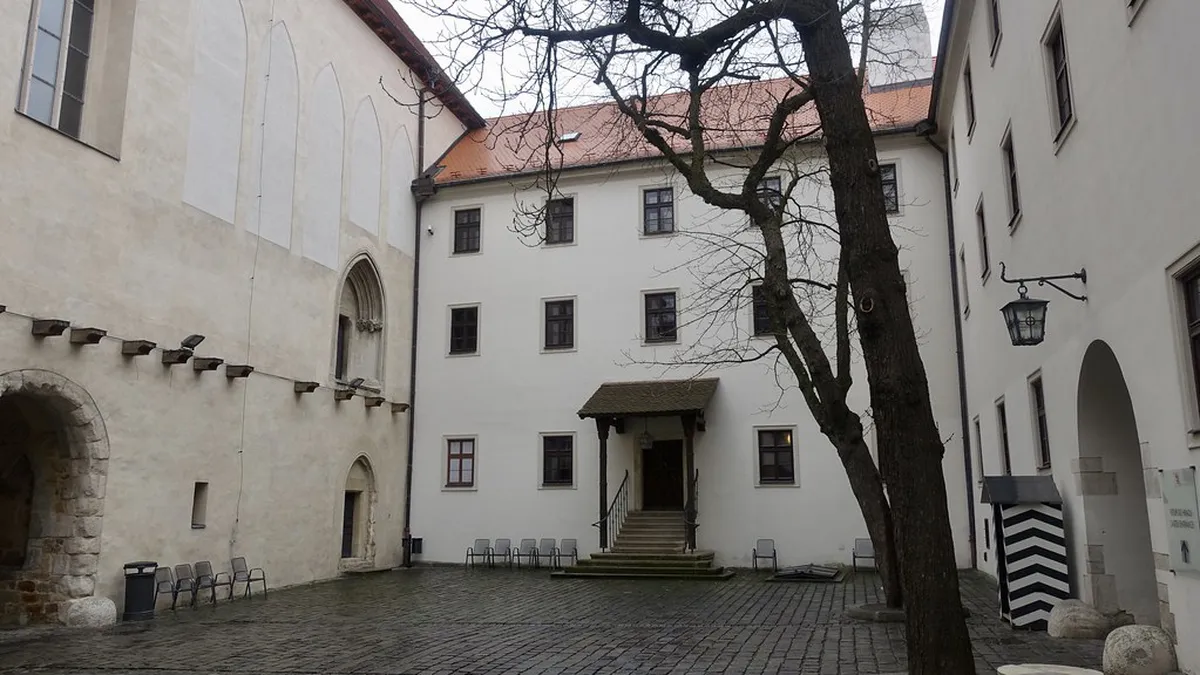
The Gripping History of Spilberk Castle as a Prison
Spilberk Castle sits on a hill overlooking the city of Brno. It was once the most feared jail in the Austrian Empire. Today, the history of Spilberk Castle as a prison attracts thousands of curious travelers. You can explore the cold stone walls where political rebels once stayed. This Spilberk Castle visiting guide helps you find the most important spots. Discover the stories of the people kept in these dark dungeons. It is a powerful journey through Central Europe's past.
The Dark History of Spilberk Castle as a Prison
The fortress began as a royal residence in the 13th century. It changed into a massive military stronghold over time. By the late 18th century, it became a heavy prison for dangerous criminals. Later, it held famous political prisoners from across the empire. The history of Spilberk Castle as a prison is filled with tales of suffering and endurance. Visitors can now walk through the same corridors as the inmates did centuries ago.
- Quick Pick - Best Overall: The Casemates
- Quick Pick - Best for History: Prison of Nations Memorial
- Quick Pick - Best View: The Lookout Tower
- Quick Pick - Best Free: The Bastion Gardens
- Name: The Casemates Type: sight Why go: These are the most famous dungeons in Brno. They show how prisoners lived in dark, windowless rooms. Best for: History buffs and thrill-seekers. Where: Northern part of the fortress. Time: 45-60 minutes. Cost: Moderate (paid entry). Getting there: Follow signs for casemates opening hours near the entrance. Tip: Bring a light jacket as it stays cool underground even in summer.
- Name: Prison of Nations Memorial Type: experience Why go: This section honors the political prisoners from various European countries. It explains why the castle earned its grim nickname. Best for: Understanding European political history. Where: Inside the main castle museum. Time: 30 minutes. Cost: Included in museum ticket. Getting there: Accessible via the main courtyard. Tip: Read the plaques to learn about the Italian Carbonari who were held here.
- Name: The Lookout Tower Type: viewpoint Why go: It offers the best 360-degree views of Brno and the surrounding Moravian hills. Best for: Photography and city views. Where: The highest point of the castle. Time: 20 minutes. Cost: Small additional fee. Getting there: Climb the stairs from the inner courtyard. Tip: Go at sunset for the most beautiful colors over the city.
- Name: Torture Exhibition Type: museum Why go: It features replicas of historical torture devices used in the past. It is a chilling look at medieval justice. Best for: Fans of dark tourism. Where: Near the casemates entrance. Time: 30 minutes. Cost: Moderate. Getting there: Walk up the hill from Husova street. Tip: This exhibit may be too intense for very young children.
- Name: The Baroque Chapel Type: indoor Why go: This beautiful chapel offers a sharp contrast to the dark prison cells. It served the spiritual needs of the garrison. Best for: Architecture lovers. Where: Central courtyard area. Time: 15 minutes. Cost: Usually included in the main tour. Getting there: Located near the museum shop. Tip: Look up at the ceiling to see the detailed Baroque artwork.
- Name: The Bastion Gardens Type: nature Why go: The gardens surround the fortress walls and offer a peaceful place to walk. Best for: Families and casual strollers. Where: The outer perimeter of the castle. Time: 30-45 minutes. Cost: Free. Getting there: Enter via the park paths from the city center. Tip: This is a great spot for a picnic with a view of the Cathedral.
- Name: The Castle Lapidarium Type: museum Why go: It houses ancient stone carvings and statues from Brno's lost buildings. Best for: Art and archaeology fans. Where: The former castle water tanks. Time: 30 minutes. Cost: Paid entry. Getting there: Accessible from the main ticket office area. Tip: The atmosphere inside the old tanks is very unique.
- Name: The Baroque Pharmacy Type: indoor Why go: A rare look at how medicine was practiced in the 18th century. Best for: Science and history enthusiasts. Where: Part of the permanent museum collections. Time: 20 minutes. Cost: Included in museum ticket. Getting there: Located on the first floor of the castle. Tip: Check the official Go To Brno portal for special exhibition dates.
- Name: Brno Central Cemetery Type: day trip Why go: Many famous figures from Brno's history are buried here. It is a quiet, reflective place. Best for: Those interested in local legends and famous residents. Where: South of the city center. Time: 1-2 hours. Cost: Free to enter. Getting there: Take a tram from the center as advised by DPMB public transport. Tip: Visit the official Brno Central Cemetery site for a map of famous graves.
- Name: Cathedral of St. Peter and Paul Type: sight Why go: This iconic church is the other major landmark on Brno's skyline. It is linked to the city's defense history. Best for: Everyone visiting Brno. Where: Petrov Hill, a short walk from the castle. Time: 45 minutes. Cost: Free (donations welcome); tower climb has a fee. Getting there: Walk through the narrow streets from the main square. Tip: Listen for the bells ringing at 11 AM instead of noon.
Planning Your Trip to the Fortress in 2026
Visiting the castle requires a bit of walking. The hill is steep but the paths are well-paved. You should wear comfortable shoes for the cobblestones. In 2026, expect the castle to be open daily during the summer months. Winter hours are usually shorter, so check ahead. You can buy tickets for specific sections or a combined pass.
The best way to arrive is on foot from the city center. It takes about 15 minutes to reach the top. You can learn more about how to get to Spilberk Castle to plan your route. There are also several benches along the way if you need a break. Most of the outdoor areas are accessible for strollers. However, the casemates have many narrow stairs.
For a complete experience, visit the Visit Czechia website for travel updates. They provide information on festivals and events held at the castle. During the summer, the courtyards often host concerts and theater plays. These events bring a lively atmosphere to the historic site. Booking your museum tickets online can save you time during the busy season.
Other Historical Places to Visit in Brno
Brno has a rich architectural heritage beyond the fortress. After exploring the castle, you can find many historical places in Brno nearby. The Old Town Hall is famous for its crooked turret and the "Brno Dragon." The city's underground labyrinth is another fascinating site for history lovers. These locations are all within walking distance of each other.
If you enjoy modern history, do not miss the Villa Tugendhat. It is a masterpiece of functionalist architecture. It shows a very different side of the city's development. You can find more details on its significance through UNESCO World Heritage records. Brno successfully mixes its medieval roots with modern innovation. Exploring these varied sites gives you a full picture of the region.
Frequently Asked Questions
Why was Spilberk Castle known as the Prison of Nations?
It earned this name because it held political prisoners from many different ethnic groups across the Austrian Empire. This included Italians, Poles, and Hungarians who fought for independence. The prison was famous for its harsh conditions and strict discipline during the 18th and 19th centuries.
How much time do I need to visit Spilberk Castle?
You should plan for at least 2 to 3 hours to see the main sights. This includes time for the casemates, the museum exhibitions, and the lookout tower. If you enjoy walking in the gardens or attending an event, you might stay for half a day.
Is Spilberk Castle accessible for people with mobility issues?
The outdoor courtyards and some museum sections are accessible. However, the casemates and the lookout tower involve many steep and narrow stairs. Visitors with mobility issues may find the climb up the hill challenging but can use the paved paths for a smoother ascent.
The history of Spilberk Castle as a prison is a vital part of Brno's identity. From the dark casemates to the beautiful views, the fortress offers something for every traveler. It serves as a reminder of the city's resilience and complex past. Make sure to include this landmark in your next trip to the Czech Republic. For more help, check out our full Spilberk Castle visiting guide today.
Official resources
Use these sources for official schedules, tickets, routes, and updates.
- Go To Brno — Official tourism portal; unverified source.
- City of Brno — Official municipal portal; unverified source.
- UNESCO World Heritage - Villa Tugendhat — International heritage designation; unverified source.
- Lonely Planet Brno — Major editorial travel guide; unverified source.
- Visit Czechia — National tourism board; unverified source.
- Brno-Tuřany Airport — Official airport authority; unverified source.